Logistics drives industries and businesses of all sizes around the world. While we have witnessed a return to pre-pandemic levels of growth at some level, the challenges remain. While the pandemic has highlighted weak links in the supply chain, it has prompted more business leaders to upgrade and modernize their logistics operations.
A Breakdown of Logistics Challenges
Here are four significant logistics challenges confronting modern businesses:
1. Labor and Shipping Shortages
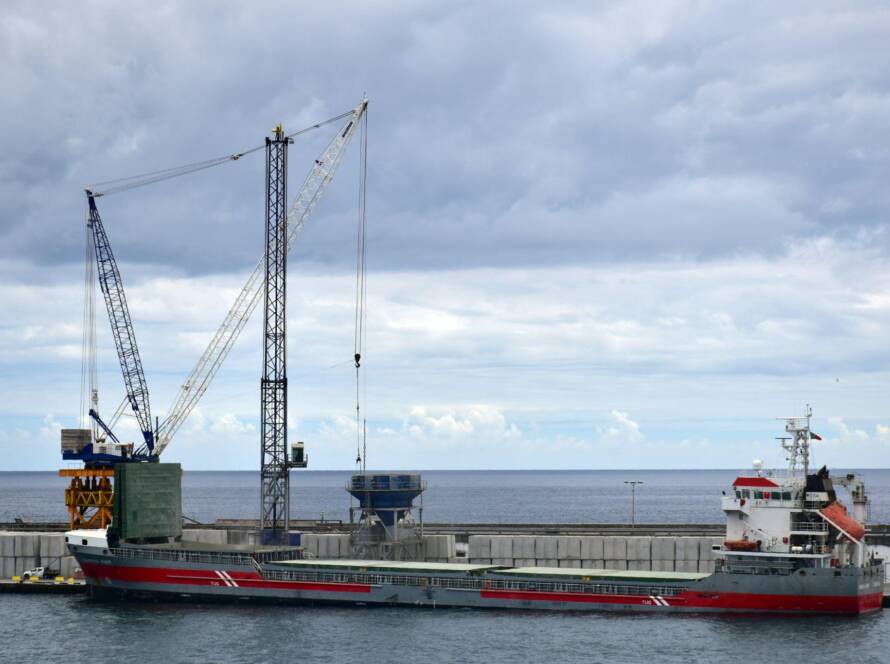
The COVID-19 pandemic has brought worker health and safety to the forefront of their concerns. The surges in late 2021 and early 2022 have quarantined a large portion of the personnel. Because of this issue, their other coworkers have been overworked and severely understaffed to handle the massive influx of shipments.
Items do not have enough storage space anymore. Warehouses overflow with inventory, and demand for industrial real estate exceeds the available supply.
2. Rising Freight Costs
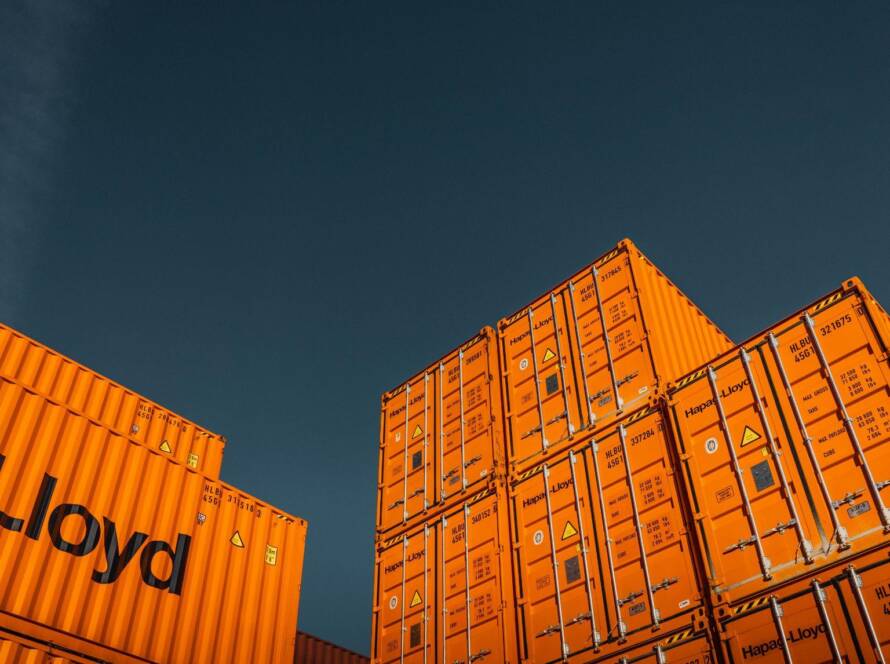
The year 2021 was highly profitable for container carriers. According to shipping intelligence provider Alphaliner, the top ten (10) publicly traded container shipping lines earned a record of $115 billion to $120 billion profit.
High freighting rates, however, were caused by a spike in fuel prices and an ongoing shipping container shortage. According to TIME, “transporting a 40-foot steel container of cargo via sea from Shanghai to Rotterdam now costs a record $10,522, which is a whopping 547% higher when compared to the seasonal average over the last five years.”

3. Managing Complex Systems
As businesses have started to expand their operations and markets, more processes and dealing with people across time zones will be required. Transparency is essential, and the supply chain crisis has demonstrated how vulnerable some of these processes can be. Only 22% of businesses have a proactive supply chain network in place. It means they can quickly adjust to changes in supply or demand before they become vital.
4. Handling Customer Expectations
eCommerce sales could reach $5.5 trillion this year as more consumers prefer to shop online over in-store. High expectations accompany these new preferences. Customers always prefer to know where their orders are and when they will be delivered. For successful eCommerce operations, speed and convenience are critical performance indicators.
Growing a devoted following has both advantages and disadvantages. Simply increasing customer retention by 5% increases profits by 25% to 95%. However, 49% of consumers abandoned brands last year due to poor customer service.
Frequently Asked Questions
1. How can logistic challenges be overcome?
- Improving Delivery Service While Cutting Transportation Costs
- Strengthen Communication at All Levels
- Establish Standards for Suppliers and Partners
- Invest in the Right Technology
- Reduce Warehouse Management Errors
2. What causes bad logistics?
- Poor time management.
- Increasing costs and generating hidden costs due to the need for more knowledge.
- Disorganization in the operational processes.
- Needing the appropriate software for live tracking.
3. What are the three main activities in logistics?
Logistics systems comprise four main activities: purchasing management, inventory management, warehousing management, and transportation management.